
Last updated September 20, 2026
Free on-site gate assessment - hinges, posts, and your LiftMaster or Nice gate operator checked before anything is quoted
The assessment is free and the quote is the invoice.
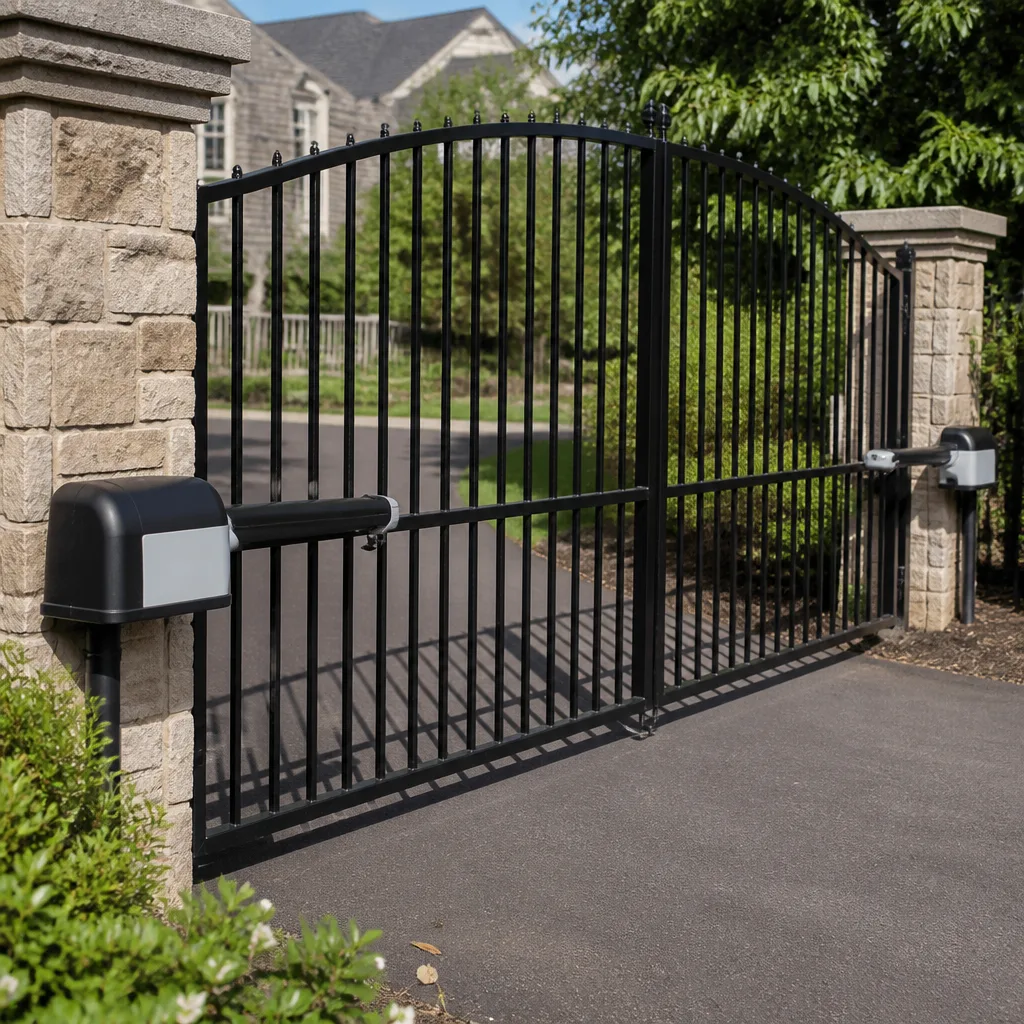
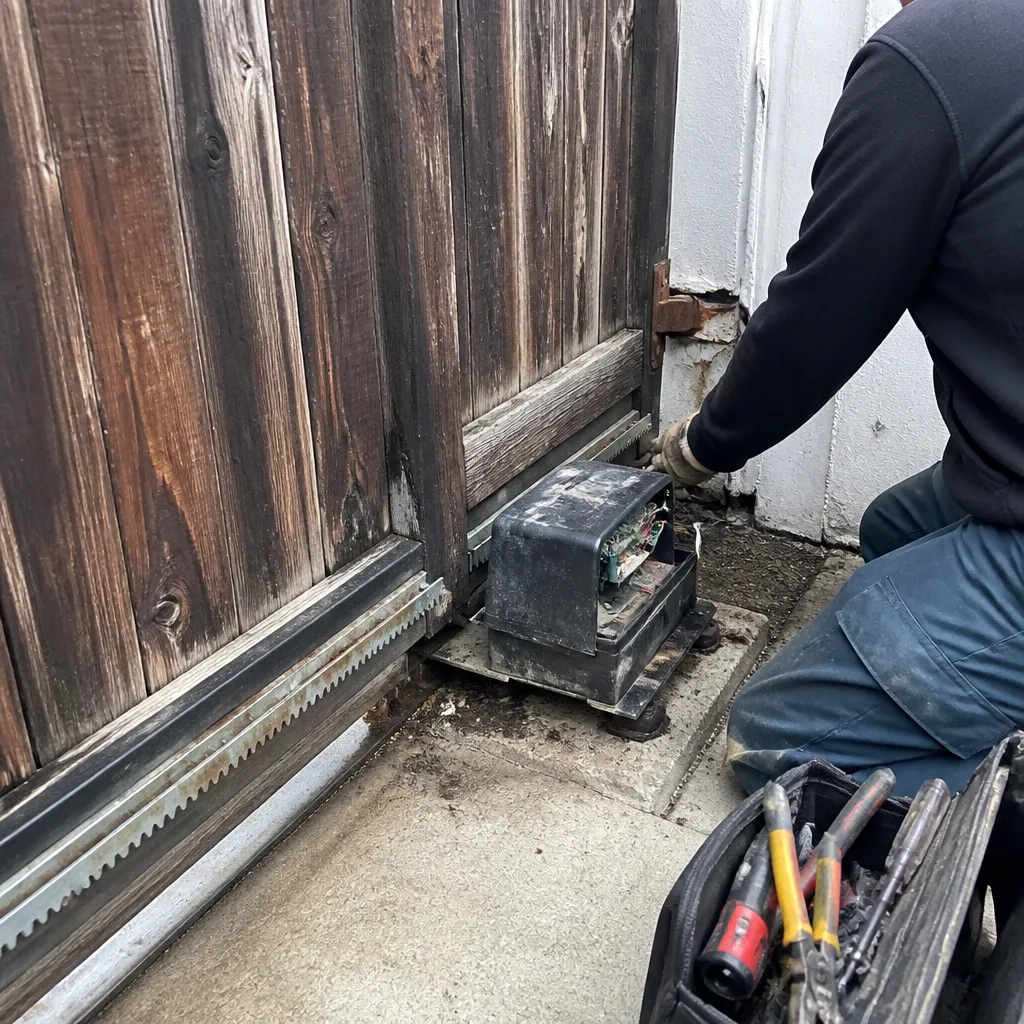 Before
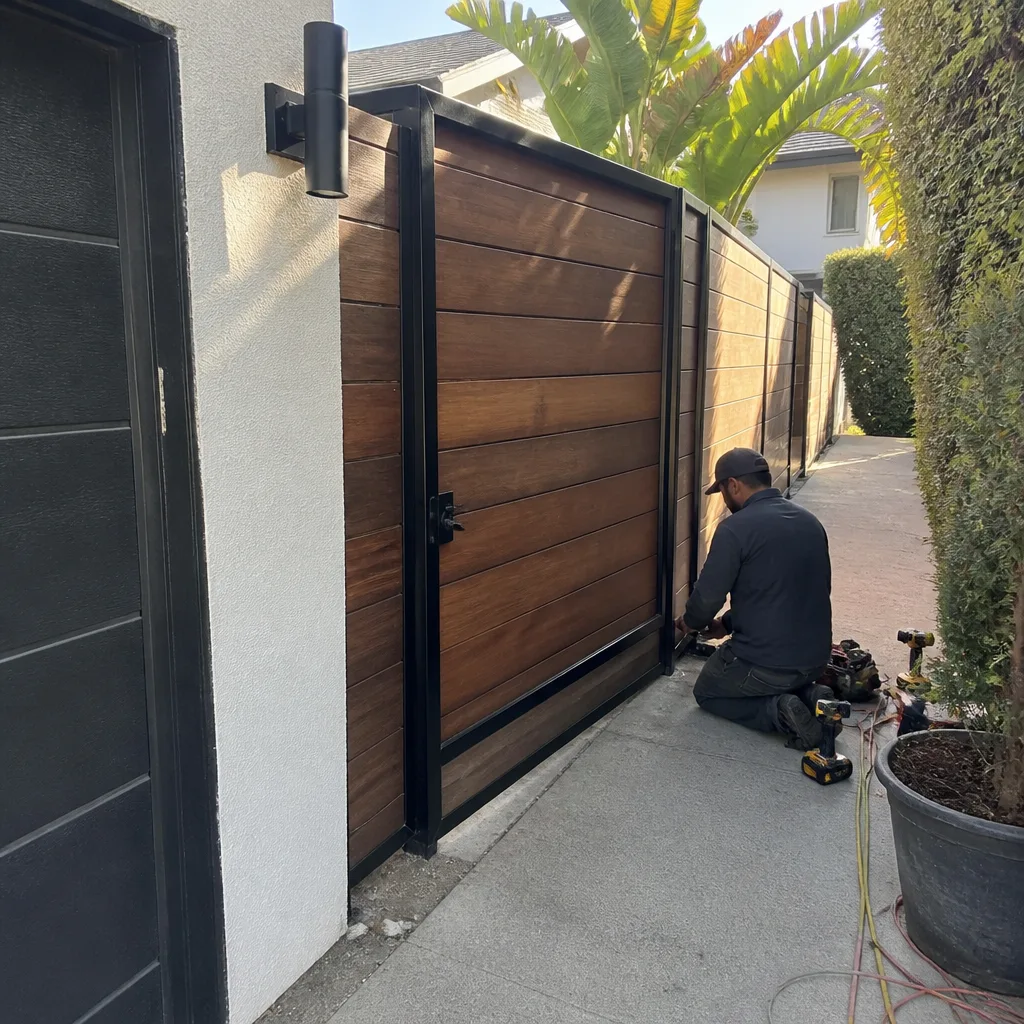 After
After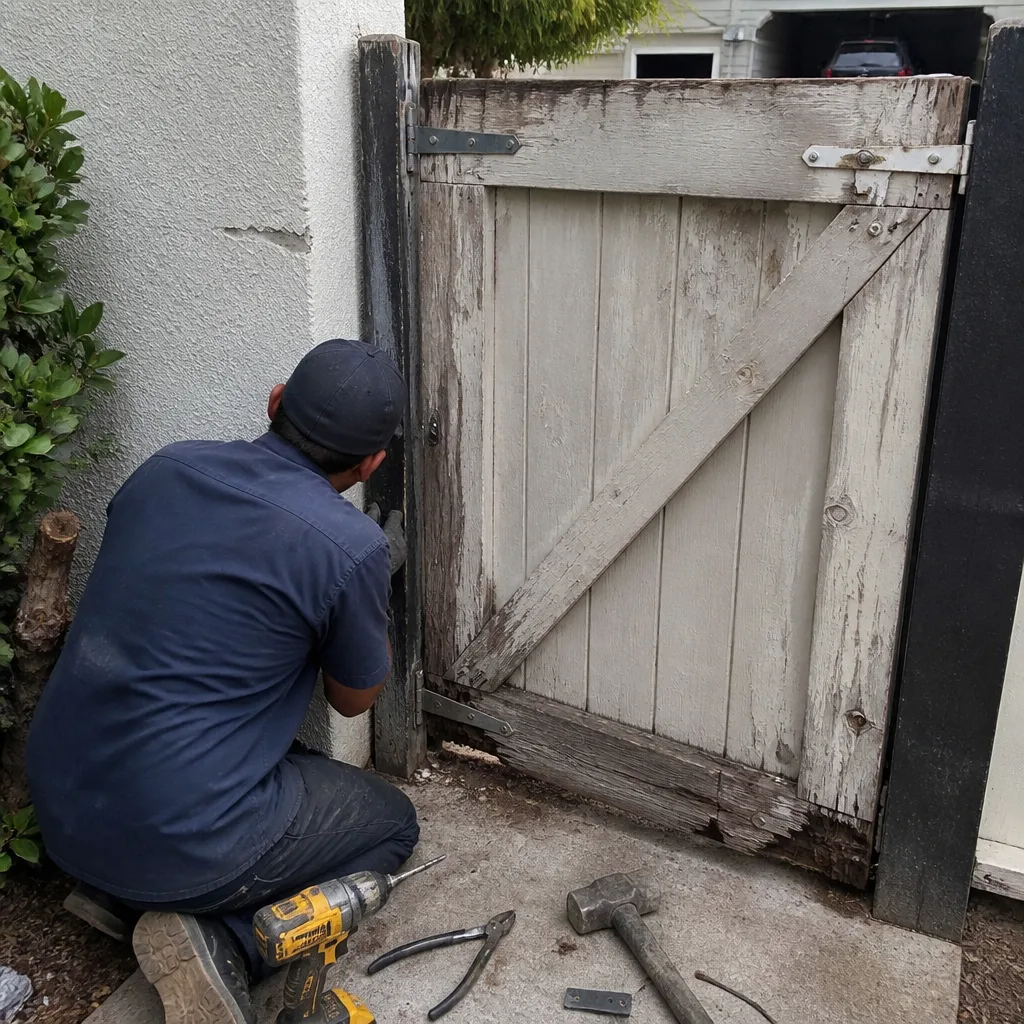 Before
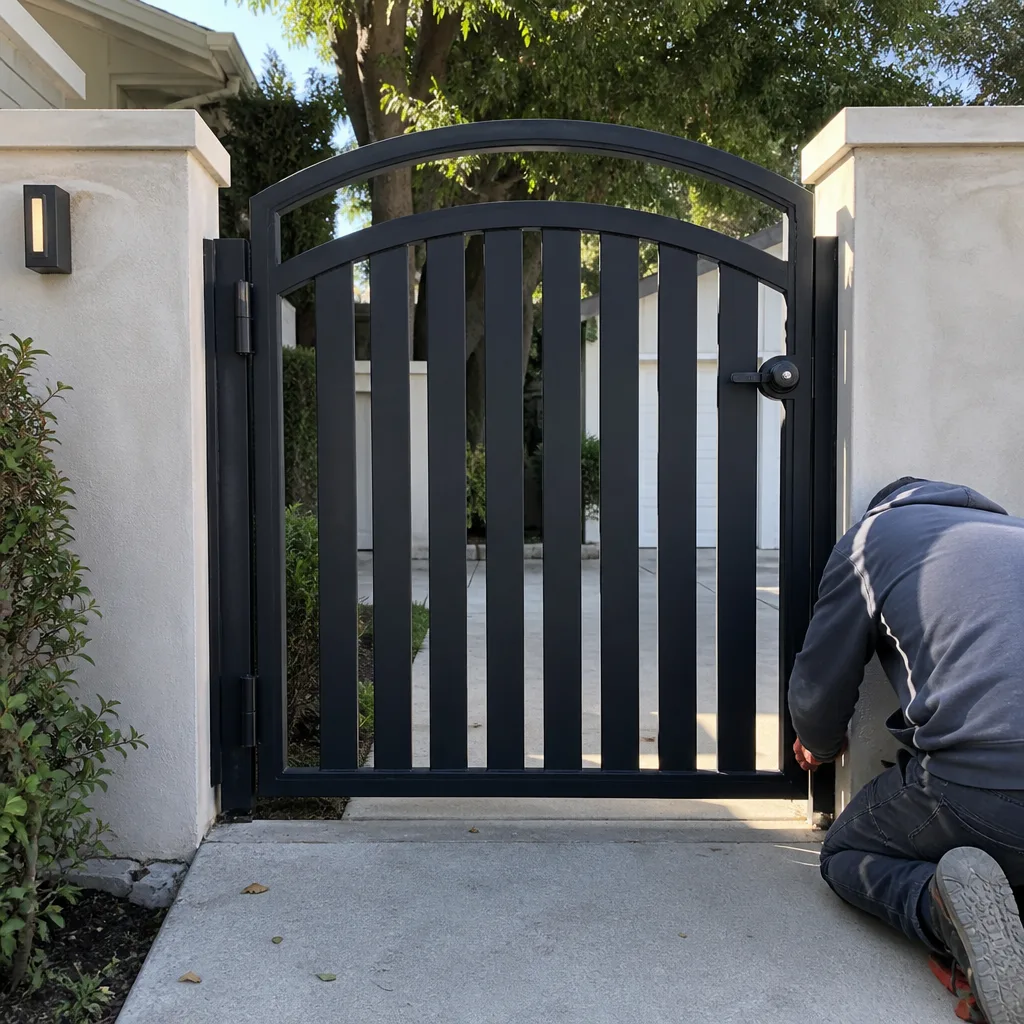 After
After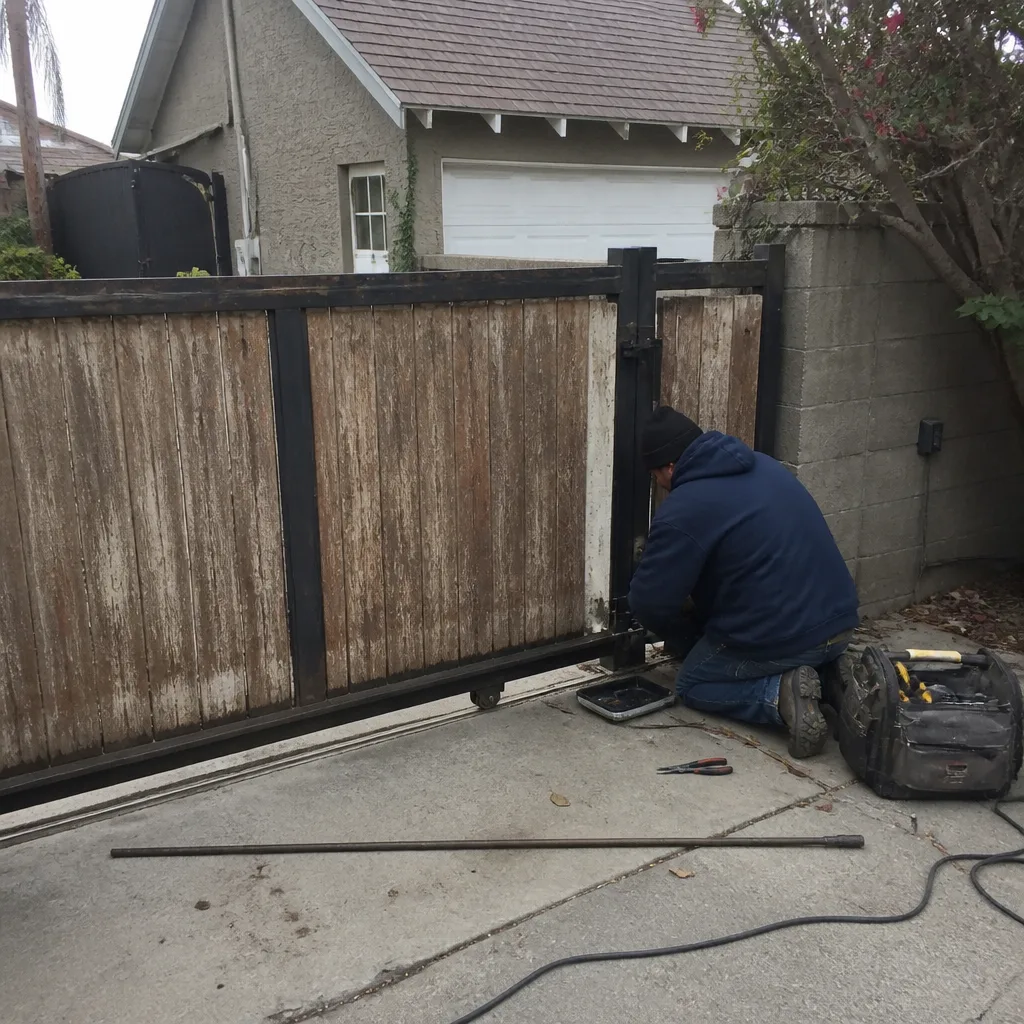 Before
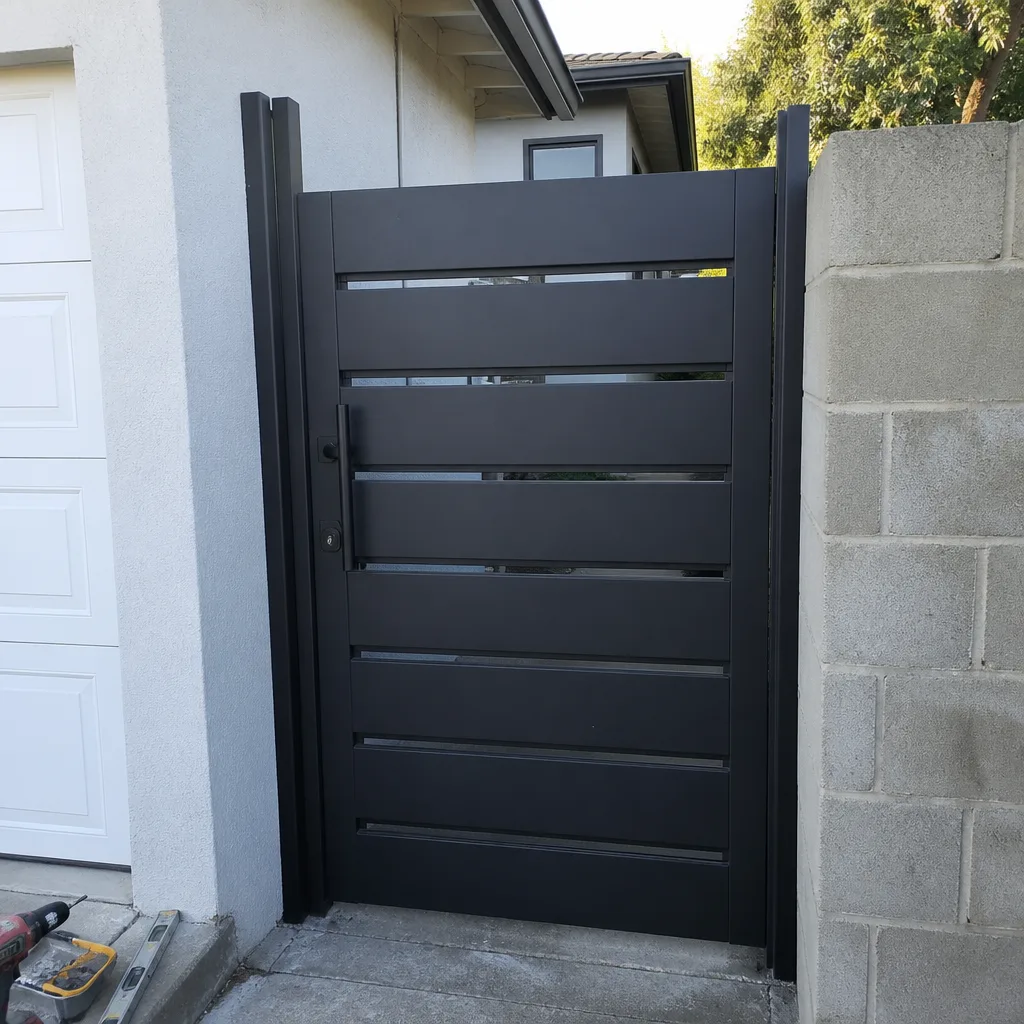 After
AfterThe Complete Guide to Gate Repair in Venice
Here’s something that surprises most Venice homeowners the first time they hear it: the majority of gate failures in this ZIP code are not motor failures at all. In our service record, the single most common root cause is a corroded ground connection that was never documented after the original install. It costs about $40 to clean and re-secure when caught early. Left alone, that same corroded connection will eventually take out the control board, and you’re looking at $1,200 or more. This guide maps the coastal failure sequence so you can recognize where your gate is in it, what it should cost to fix, and what documentation you should demand from any contractor who works on it in Venice. For a deeper look at pricing, see our Gate Repair Cost Breakdown: The Venice Homeowner’s Reference for 2026.
Quick Answer
Gate repair in Venice, CA typically costs between $95 and $1,400, with most common repairs such as photo-eye realignment, limit switch resets, and hinge lubrication falling in the $120 to $350 range. The defining variable in Venice is salt air, which corrodes hinges first, then wiring terminals, then the control board in a predictable sequence. The single most useful thing you can do is insist on written pricing before work begins and a documented photo record of what the technician found, adjusted, and replaced when the job is done.
Table of Contents
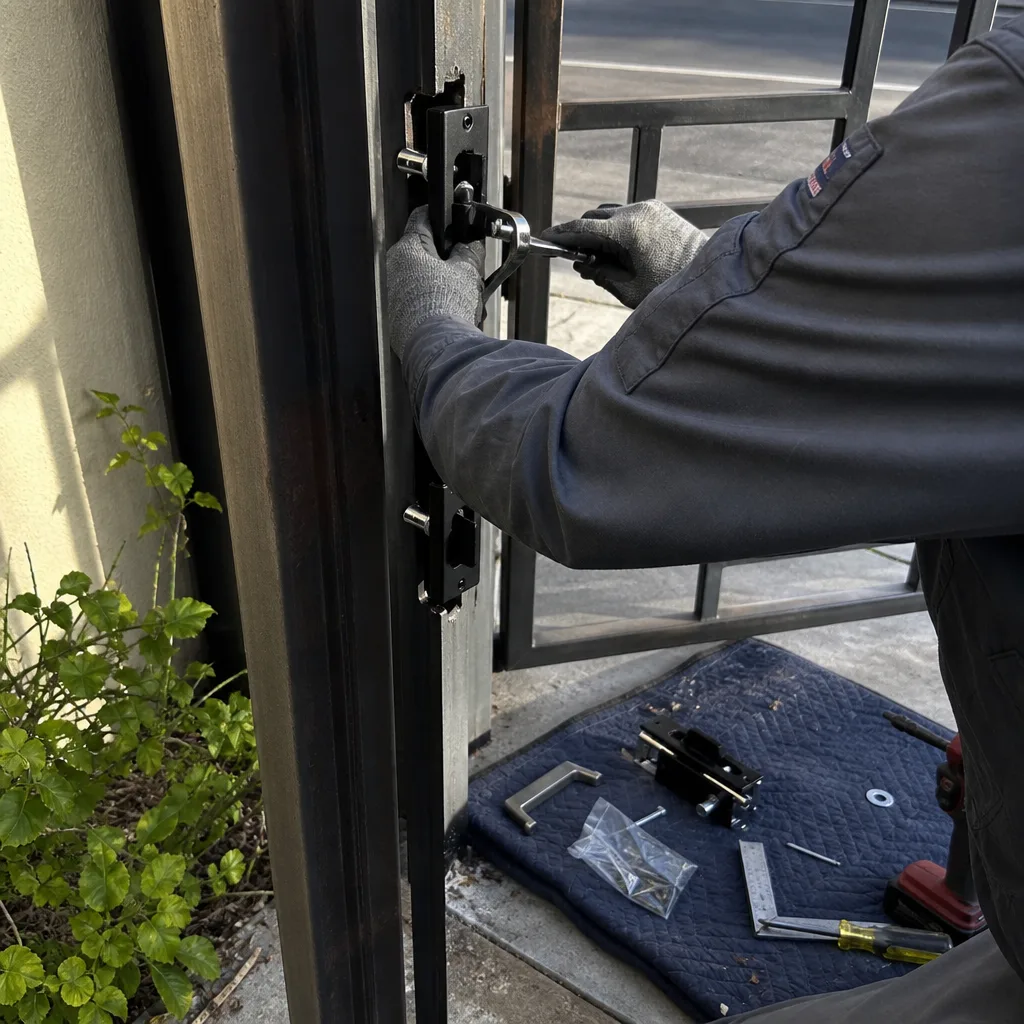
- The Venice Gate Failure Pattern: Salt, Moisture, and Soil
- Repair vs. Replacement: Where Your Gate Actually Is
- The Most Common Gate Failures in Venice, Mapped to Cost
- What Gets Misdiagnosed Near the Canals (and Why)
- The Documentation Standard: What to Demand Before, During, and After
- Seasonal Soil Shifts and Gate Alignment in Venice
- Five Safety Checks You Can Do Without Tools
- Common Mistakes to Avoid
- When to Call a Professional
- Frequently Asked Questions
BeforeAfterThe Venice Gate Failure Pattern: Salt, Moisture, and Soil
Venice does not have a typical inland gate failure profile. The marine layer that rolls in most evenings deposits salt on every exposed metal surface, and the morning burn-off leaves that salt behind. Over months and years, the sequence almost always looks the same.
Stage one: hinges. Salt crystals work their way into the hinge pins on swing gates and the track rollers on slide gates. The first thing you’ll notice is a change in sound. A swing gate that moved silently will start to groan or creak, and a slide gate will develop a rattle or a hitch in its travel. The repair at this stage is straightforward: cleaning, lubrication, and in some cases hinge replacement. It runs $95 to $275 for most Venice gates. If you hear the noise change, do not ignore it. A gate operating against a corroded hinge is loading the motor beyond its rated torque every single cycle.
Stage two: wiring terminals. Most residential gate installations in Venice have connection points inside a control box mounted to the gate column or the wall beside it. Even a box that appears sealed is not hermetic. Salt-laden air gets in through the weep holes, the conduit knockouts, and around the gasket. The copper terminals on the control board, the ground bus, and the lead wires will begin to oxidize. The symptom here is often intermittent: the gate works for a month, then refuses to respond for an hour, then works again. Or it stops responding only when the marine layer has been heavy for several days. A terminal cleaning and re-torque job is a $40 to $90 fix. A gate that behaves intermittently is trying to tell you something.
Stage three: the control board. This is where the money goes. When corrosion reaches the board itself, the microprocessor begins misreading sensor inputs. The gate may open without command, refuse to close, or reverse mid-cycle. Sometimes the board fails outright. Board replacement on a Venice swing or slide gate runs $650 to $1,400 depending on the brand and whether the transformer also needs replacement. The aggravating part of the whole sequence is that stage one and stage two are both cheap to address. What we see too often is a homeowner who lived with a noisy hinge for two years and a flaky remote for six months, then got hit with the full board replacement at the end.
Repair vs. Replacement: Where Your Gate Actually Is
A gate that won’t move is not necessarily a gate that needs to be replaced. The distinction matters because the price difference is in the thousands. Here’s how we determine which side of the line a Venetian gate is on.
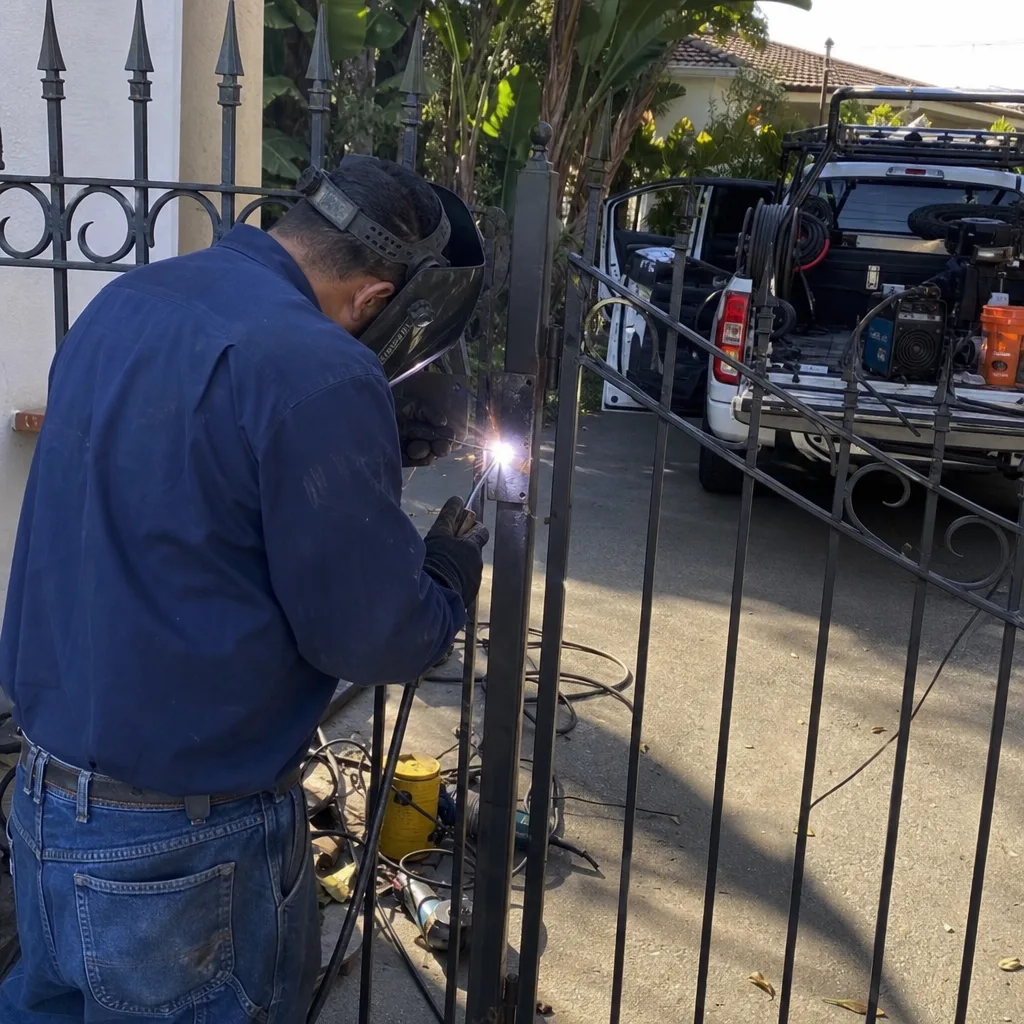
First, we look at the steel or iron itself. A gate with surface rust, chipped coating, or even a small rust-through section at a weld point can usually be repaired. Metal work, sanding, priming, and re-coating is a fraction of replacement cost, and we handle the welding in-house. The gate enters replacement territory when the frame is structurally compromised, meaning the bottom rail has rusted through along more than a third of its length, or the hinge posts have lost structural integrity, or a prior repair was done badly enough that the gate is no longer square and true.
Second, we look at the motor and its mounting. Just because a Geared arm is ten years old does not mean it needs to be replaced. If the motor still holds its limit settings, runs quietly under load, and the capacitor is in spec, we leave it alone. A replacement motor is recommended only when the unit is unrepairable or when the cost of parts alone approaches 60 percent of a new unit’s installed cost. If a contractor writes “motor replacement” on an estimate without stating the diagnosis, ask them to show you the failed component.
Third, we look at the track and the ground under it. This is where a Venice-specific line gets drawn. In areas within a few blocks of the canals, the soil is a sandy mix that shifts with the water table through the seasons. A slide gate whose track has heaved out of level may look like a catastrophic failure, but it’s often a reconfiguration job: re-grading the base, re-setting the track supports, and re-leveling the gate. In our experience, about one in four slide gates in canal-adjacent Venice properties that arrive as “needs replacement” are actually reconfigurations that cost less than a third of the replacement quote.
The Most Common Gate Failures in Venice, Mapped to Cost
Here’s a reference table of what we see most often in Venice, with realistic cost ranges and how long each repair typically lasts before the same issue is likely to resurface if the underlying cause is not addressed.
| Failure Type | What It Looks Like | Typical Repair Cost | Expected Recurrence Interval |
|---|---|---|---|
| Corroded ground connection | Intermittent operation, especially in damp weather | $40-$90 | 3-5 years if documented and sealed properly |
| Misaligned photo-eye | Gate reverses before closing, or will not close at all | $95-$150 | 1-2 years near heavy landscaping growth |
| Limit switch drift | Gate stops short of full close or slams against the post | $95-$180 | 2-4 years after proper reset |
| Worn hinge pins on swing gate | Gate sags, drags on the ground, creaks loudly | $120-$275 per hinge set | 5-8 years with marine-grade replacement |
| Track heave on slide gate | Gate binds at one end of travel, motor strains | $350-$900 | 10+ years if base is re-graded properly |
| Contactor or limit switch failure | Motor runs but gate does not move, or runs continuously | $180-$420 | 5-10 years depending on salt exposure |
| Full control board replacement | No response, burned smell, or gate self-actuates | $650-$1,400 | 10-12 years if grounding is addressed |
| Welded rust-through repair | Visible holes in the gate frame or pickets | $250-$750 per section | Indefinite with proper metal prep and coating |
The table is useful, but the real takeaway is the recurrence column. A repair that lasts two years in Venice is not the same value as a repair that lasts eight. The difference is usually not the part; it’s whether the technician addressed the environmental cause or just swapped a component. A photo-eye that’s misaligned because it was mounted on a flexing post will fail again in September. A photo-eye that’s re-mounted on a rigid bracket with a slight inward angle will hold for years.
What Gets Misdiagnosed Near the Canals (and Why)
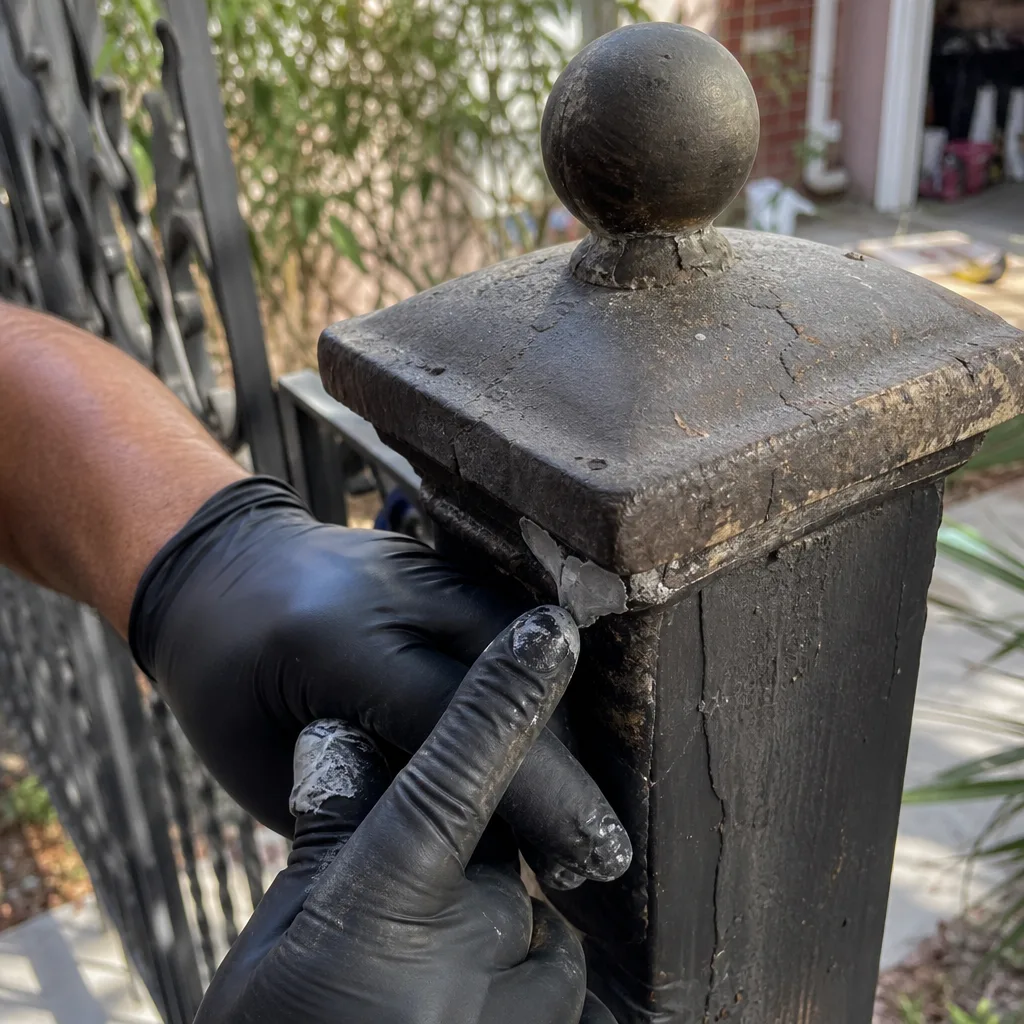
Venice has a particular problem with verbal gate diagnoses. A general contractor or handyman who services inland properties will often see an intermittent gate in a canal-adjacent home and call it a motor failure. The motor is the most expensive component in the system, so it’s a convenient answer. The actual cause, in many of these cases, is a ground connection on the bottom of the chassis that has turned green with corrosion. The fix is under a hundred dollars.
Here’s the specific failure chain we’ve untangled more times than we can count. The gate stops responding intermittently. The homeowner calls a general repair service. The technician tests the remote, sees the operator light on, sees no movement, and writes “geared motor replacement” on a slip of paper for $900 to $1,300. What the technician did not do is check the resistance across the ground plane. In a marine layer climate, a motor that still has good windings will test fine on voltage at the main terminals while the grounding path is compromised. The motor fails to move because the control board cannot complete the circuit to the limit sensors. The motor itself was never the problem.
We see this pattern with gate brands including Ghost Controls, DoorKing, and Elite systems throughout Venice, and it’s not limited to any single motor manufacturer. The misdiagnosis is environmental, not mechanical. This is also why we insist on an answer to one question before any work is authorized: what was measured, and what did the measurement show?
Any technician should be able to tell you the DC voltage across the transformer output, the resistance reading across the ground path, and whether the limit switch micro-switches are opening and closing with continuity. If the diagnosis is a sentence long and contains the word “probably,” you do not yet have a diagnosis. You have a guess. In Venice, where the next contractor has to undo the previous contractor’s work, guesses are expensive.
The Documentation Standard: What to Demand Before, During, and After
Here is where Vance Gate Repair operates differently from most residential gate companies, and we’re explicit about it because it changes the economics of owning a gate in Venice.
Every job we do is governed by what we call the Haven Standard. It has four clauses. Clause one: a written price is delivered before any work begins. Not an estimate range, not a verbal number, not a “should be around.” A written scope with a flat price. That price is what you pay. If we find something hidden behind the control box once the job starts, we stop, photograph it, and bring you a revised scope before touching another wire. The invoice at the end matches the written price.
Clause two: the job record includes a documented photo log. Before we leave your property, you’ll have photographs of what we found, what we adjusted, and what we installed. If we replaced a limit switch, you’ll have a photo of the old part and the new part in place. If we corrected a ground path, you’ll have a photo of the corrected terminal connection. This is not a sales flourish. It is the difference between a repair that stays fixed and a repair that gets rediscovered by the next technician for another $200 service fee.
Clause three: a written record of every setting and measurement. If we set the close limit to a specific degree of travel, that number is in the job file. If your gate is a Ghost Controls dual-gate with a particular sync threshold, that threshold is written down. The next technician who works on your gate should never have to reverse-engineer the system. The record saves the next visit an average of 45 minutes of diagnostic time, and on a Venice gate that last visited during a different season, the record prevents the most common misdiagnosis cycle.
Clause four: everything we do is covered by a 365-Day Done Right Promise. If the repair is not right within one full year, we come back and make it right. No prorating, no deductible, no argument about whose fault the recurrence is. The promise covers the work we performed, and it’s the only way to stand behind a repair in a climate that wants to undo it.
Seasonal Soil Shifts and Gate Alignment in Venice
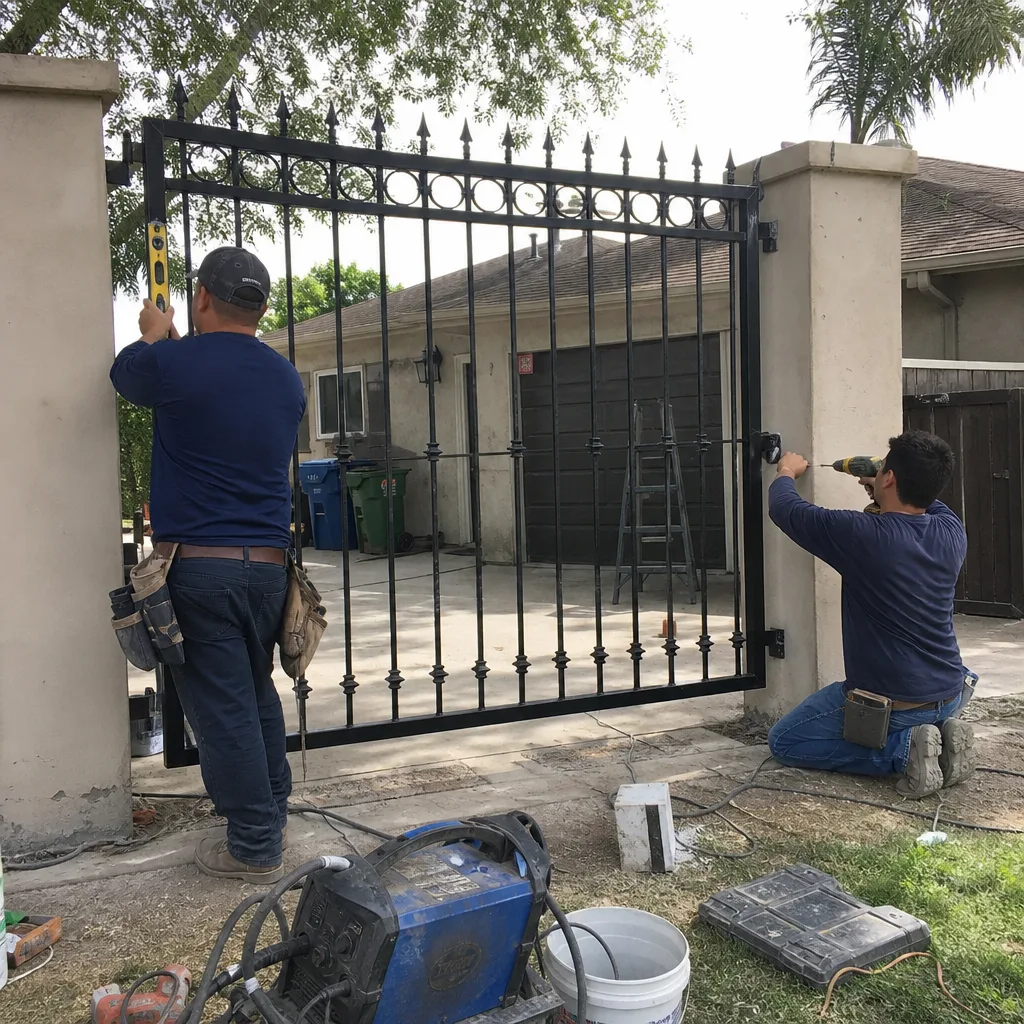
If you live within two or three blocks of the Venice canals, your gate moves through the year even when you’re not using it. The soil in the canal district is a sandy, quick-draining mix that shifts with the water table. During winter rains, the ground swells and the concrete pad under a slide gate can rise a fraction of an inch at one end. During the dry summer months, the same pad settles back. The gate itself does not move; the earth under it does. The result is a gate that pulls away from the track at one end in February and scrapes at the same end in July.
This seasonal movement is often misread as a motor problem. A technician shows up in mid-summer, sees the gate binding on the high end of the track, and blames the motor’s torque output. The technician replaces a perfectly good motor, and the gate still binds in February, because the binding was never about the motor. It was about the substrate.
The correct intervention is a base reconfiguration. In practical terms, that means re-grading the pad, resetting the track supports, and re-leveling the gate to within a specific tolerance. The cost range in Venice is $350 to $900 depending on the length of the track and the condition of the existing pad. The recurrence interval after a proper re-level, with concrete reinforcement at the pad edges, is typically a decade or more.
What you can do as a homeowner is watch the gate at the extremes of the season. If your slide gate moves smoothly in the spring and hesitates in late summer, the issue is probably not the motor. It’s the pad. A good technician will confirm it with a four-foot level across the track in both seasons, and a written record should note the seasonal variance so no one re-diagnoses the problem twice.
Five Safety Checks You Can Do Without Tools
Before you call a contractor in Venice, there are five visual and mechanical checks you can do yourself in under ten minutes. These are diagnostic checks, not repair procedures. If any of them reveal a serious problem, that’s the cue to call a professional. Gates under tension, especially those with counterweights or pneumatic closers, can release stored energy suddenly and cause serious injury if handled incorrectly.
- Watch the gate through one full cycle. Does it slow down at the same point every time? Does it accelerate unexpectedly? Does it stop short of the close position or slam into the post? A consistent change in behavior is a diagnostic clue; an intermittent change is usually electrical.
- Look at the hinge pins on a swing gate. If there’s rust powder at the base of the pin or the gate has dropped enough to drag across the ground, the hinges need work before they load the motor to the point of burnout.
- Check the ground connection in the control box. On most residential installations, this is a green or bare copper wire secured to the chassis of the operator or the electrical panel inside the box. If the connection is green, white, or crusted, that’s corrosion. Do not touch it with your bare hand. Note it and make sure the technician addresses it on the visit.
- Test the photo-eye alignment. Stand across the path of the closing gate and block the beam with your hand. The gate should stop and reverse. If it does not reverse, the photo-eye is misaligned or dead, which means the gate will not safely close in a family with small children or pets.
- Look at the track (slide gates only). Rust deposits in the track, visible cracks in the concrete at the pad edges, or a gap between the track and the pad at one end are early signs of the seasonal heave we described in the previous section. Note where you see the gap and tell the technician before the visit.
None of these checks requires a tool, and none of them will fix your gate. What they will do is give you a specific description of what you’re seeing when you call. A homeowner who says “the gate hesitates at the midpoint and reverses before closing” is giving the technician a map. A homeowner who says “the gate’s broken” is giving the technician a blank page and paying for the diagnostic time to draw the map from scratch.
Common Mistakes to Avoid
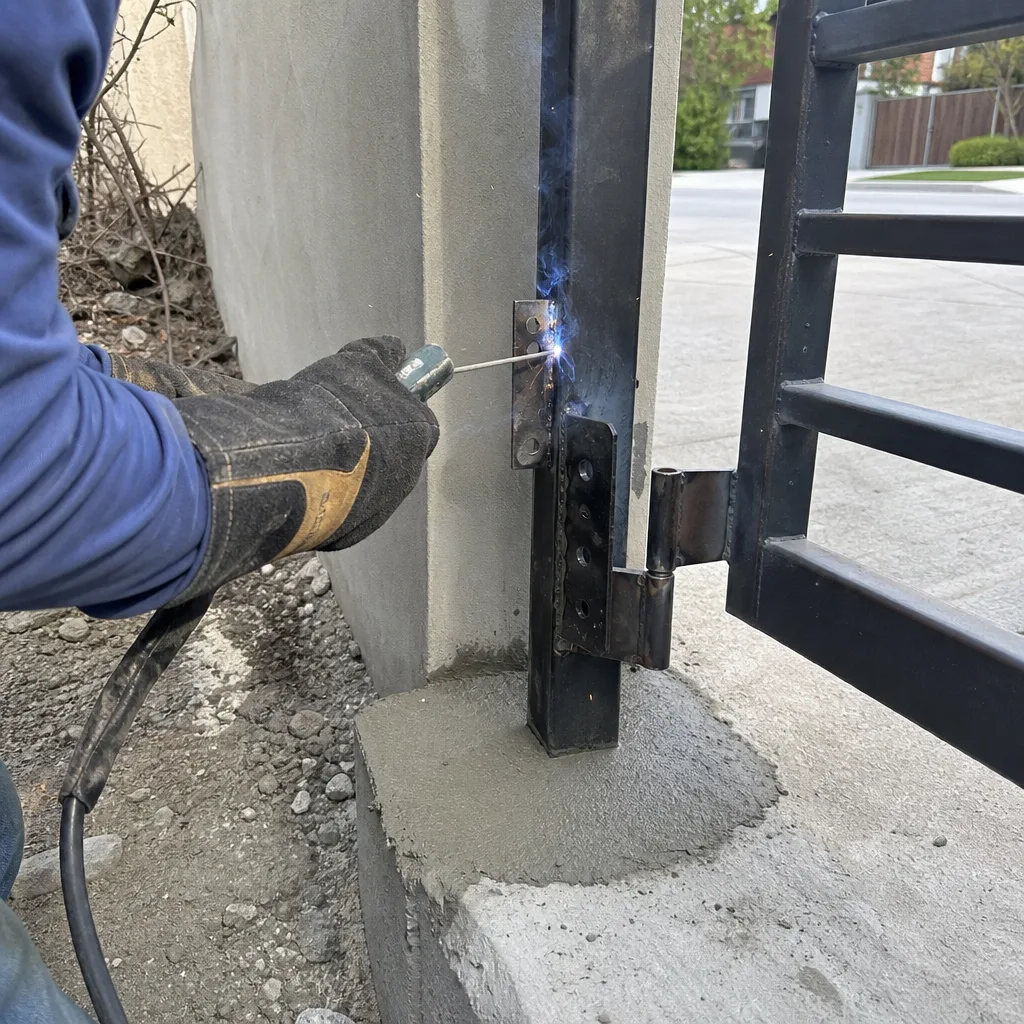
- Ignoring a change in gate sound. A gate that creaked for the first time in November will not work that creak out on its own. The sound is the hinge telling you it’s loading up, and the motor is the next component in line.
- Accepting a verbal diagnosis without measurements. In a Venice coastal environment, the words “your motor is fried” without a voltage reading, a ground path check, and a continuity test are not a diagnosis. Ask for the numbers or ask for another technician.
- Replacing a gate because the track heaved. Every year in Venice we see slide gates that were replaced when the real issue was the pad. Get the track level checked by someone who owns a four-foot level before you sign a replacement quote.
- Greasing your own gate without telling the technician. Many homeowners mean well and spray WD-40 or household grease on the hinge pins. Some lubricants attract salt and grit in a marine environment and accelerate the corrosion. If you’ve applied something, tell your technician on the arrival call.
- Letting a flaky remote go for months. An intermittent response is the early signal of a corroded connection at the receiver or the ground bus. Every month you live with it is another month the corrosion is working toward the control board.
- Not requesting the documentation. If the technician who repaired your gate cannot hand you a photo of the repaired component and a written note of the settings, you will pay for the same diagnostic work again in a year or two. The cheapest way to reduce future gate repair costs in Venice is to own the job record.
When to Call a Professional
Some gate problems are worth attempting as DIY vs Professional Gate Repair: The Venice Homeowner’s Decision Guide; many are not. Any work on a control board, a capacitor, a wiring terminal, or any component under housing tension is not a weekend project. A gate motor capacitor holds a charge even when the power is off, and a swing gate under counterweight tension can maim if the restraint is released incorrectly. If your gate is motorized and you are not certain the power is fully discharged at the breaker and at the capacitor, do not open the control box. Call a licensed technician instead.
You should call if the gate is sagging on its hinge pins, if the track is clearly out of level, if the gate reverses or self-actuates, or if you see white or green crust forming on any wire connection in the control box. These are not conditions that resolve with adjustment. Vance Gate Repair Venice offers free estimates throughout Venice, and every estimate includes a written diagnosis and a flat repair price before any work is authorized. Call (213) 267-6777 if you’re seeing any of the failure patterns described in this guide.
Frequently Asked Questions
Most our Gate Repair services in Venice run between $95 and $1,400, with common fixes like photo-eye alignment, hinge lubrication, and limit switch resets costing $120 to $350. The most expensive repair is a full control board replacement at $650 to $1,400, which is usually the result of long-ignored corrosion at the ground connection. Call (213) 267-6777 for a written, flat-price quote before any work starts.
Intermittent gate operation near the canals is usually a corroded ground connection, not a motor failure. The marine layer deposits salt on the terminals inside the control box, and the ground path degrades until the control board can no longer complete the limit circuit. A terminal cleaning and re-torque is typically under $100; the same problem left alone becomes a $650 to $1,400 board replacement.
In most cases we can get a technician to your Venice property the same day, and our 24-hour live line means a person answers at every hour. The exact repair timeline depends on what the technician finds, but the written price is always delivered before any work begins, and many common repairs are completed in a single visit. Call (213) 267-6777 for same-day scheduling.
Yes. We service nine major automation brands including Ghost Controls, DoorKing, Elite, and Mighty Mule, among others, and we repair whatever motor is already on your property rather than steering you toward a replacement. Our technicians carry a range of control boards, limit switches, and photo-eyes, though some brand-specific parts are ordered for next-day arrival in Venice when not on hand. Gate Motor & Opener in Venice covers this service in detail.
You should get a written record of what was found, what was adjusted or replaced, and the part numbers of any components installed, plus a photo log of the work. That record is what prevents the next technician from re-diagnosing the same problem and billing you another diagnostic fee. We provide a documented photo record and written settings log on every job, and the Haven Standard Clause 4 makes that record part of every service visit with no extra charge.
Repair is almost always the right call if the frame is structurally sound, the hinges are repairable, and the motor still holds its limit settings, even if the gate looks badly weathered. Replacement comes into play only when the frame is rusted through along more than a third of a bottom rail, the hinge posts have lost structural integrity, or the motor repair cost exceeds 60 percent of a new installed unit. If you’ve been told the gate needs replacement, get a second opinion with the paperwork in hand. We offer a free review of any written estimate at no cost. Gate Installation in Venice explains what a full replacement actually involves.
The Bottom Line
Venice gates fail in a predictable order: hinges corrode first, then wiring terminals, then the control board. A homeowner who pays attention at stage one spends a fraction of what a homeowner pays at stage three. The most important decision you’ll make is not which motor brand to buy; it’s which contractor you let near the wiring, and whether that contractor hands you a written price and a documented record. If a technician can’t show you the reading that led to the diagnosis, you don’t have a diagnosis yet. You have an opinion, and in a salt-air climate, opinions are the most expensive part of gate ownership. The cheapest way to keep a gate working in Venice is to own the documentation and demand the measurements. For more guides & resources, visit our blog.
For a free written estimate on gate repair anywhere in Venice, call (213) 267-6777 or visit our Vance Gate Repair Venice home page. A live person answers, any hour, and the price is in writing before any tool comes off the truck.
Written by Adrian Vance, Owner at Vance Gate Repair Venice, serving Venice since 2014.